

Today’s UV printers are offering users more and more capability, in part because of the development of advanced inks, like Roland DG’s EUV-H Hard Inks. EUV-H inks are specially formulated for durability, incorporate a jettable primer, and are designed to adhere to a wide variety of substrates, including previously challenging-to-print-on rigid surfaces such as acrylic, glass, coated plastics, and anodized aluminum.
To learn more about the role EUV-H inks play in UV print production, we spoke with Philip Chu, Roland DGA Product Manager for Specialty Devices.
Why did Roland DG develop EUV-H inks? What advantages do they provide to end users?
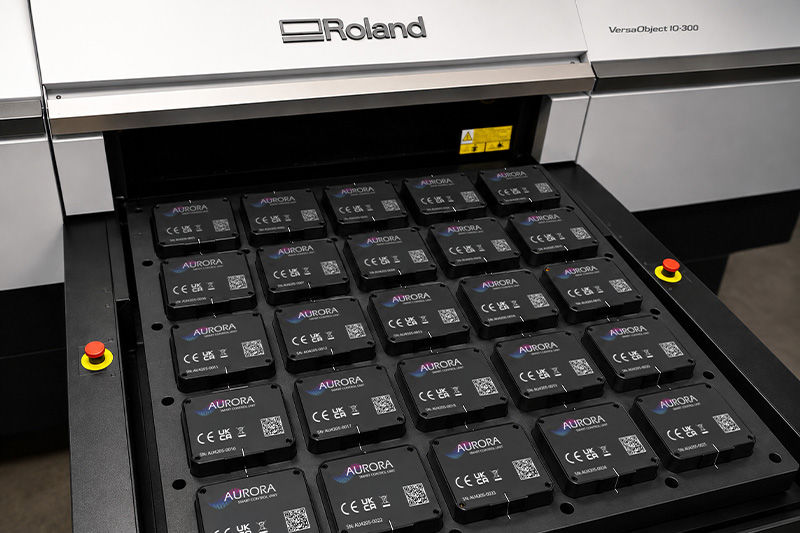
Philip Chu: Roland DG already offers UV printer users its versatile EUV5 inks and VBOND inks, however alongside developing the VersaObject IO-300 UV flatbed for the industrial market, they wanted to introduce new inks that adhered exceptionally well to challenging surfaces like glass and acrylics. They also wanted to ensure maximum durability for these applications.
EUV-H inks are medium-build inks designed for applications requiring durability, precision, and performance. They also include a jettable primer for increased adhesion. Combined with advances in software and firmware, these inks provide endusers with expanded print options.

How do these inks improve adhesion?
Philip Chu: The EUV-H's jettable primer is key for adhesion. The primer offers excellent adhesion for printing on a wide variety of substrates, including acrylic, glass, and aluminum.
What about durability?
Philip Chu: EUV-H inks are developed for enhanced scratch, chemical, solvent, and water resistance for industrial and commercial use.
In addition to the formal testing we put these inks through in their development, we also do informal testing with customers and potential customers at trade shows. One of the ways people like to check out print durability is by trying to scrape off the print just out of the printer using a thumb or fingernail. These prints don’t budge.
How does using EUV-H inks help minimize waste?
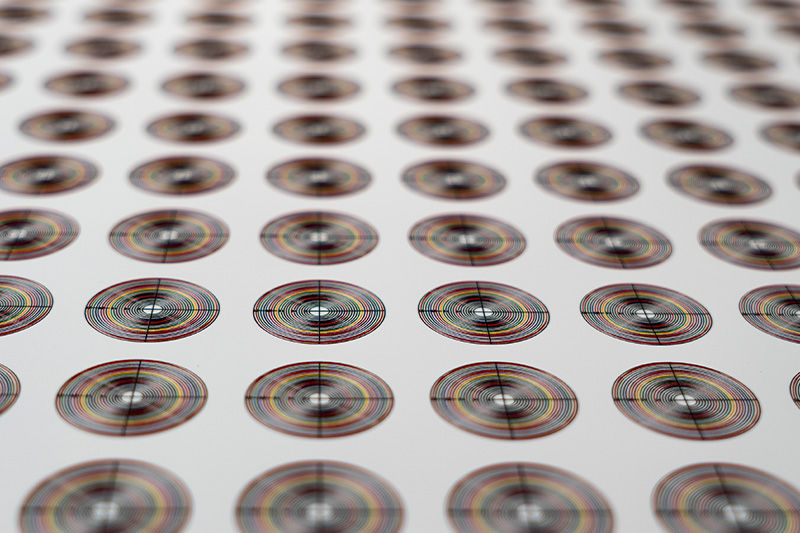
Philip Chu: EUV-H inks offer great adhesion and high accuracy, which means less wasted time, ink, and products.
We have run overprint tests on the IO-300 that demonstrate the precision calibration created by the combination of advanced printheads, jettable primer, and EUV-H inks. You no longer have to worry about prints at the edge of the bed being less accurate than those at the center of the bed – they are all accurate.
In addition, the IO-300's jettable primer and CMYK are being laid down in a single pass, improving operational efficiency. The EUV-H inks can be run at a distance of .5mm, 2mm or 10mm above the substrate (using generic distance mode) and they still provide precision printing, even over curvature or contours.

What about safety and environmental concerns?
Philip Chu: EUV-H inks reduce UV printing odors and contain no nickel, SVHC (Substances of Very High Concern), or CMR (Carcinogenic, Mutagenic, or Reprotoxic) substances. It is in the process of being certified for food and drinkware use.
How does using EUV-H inks help users improve profitability?
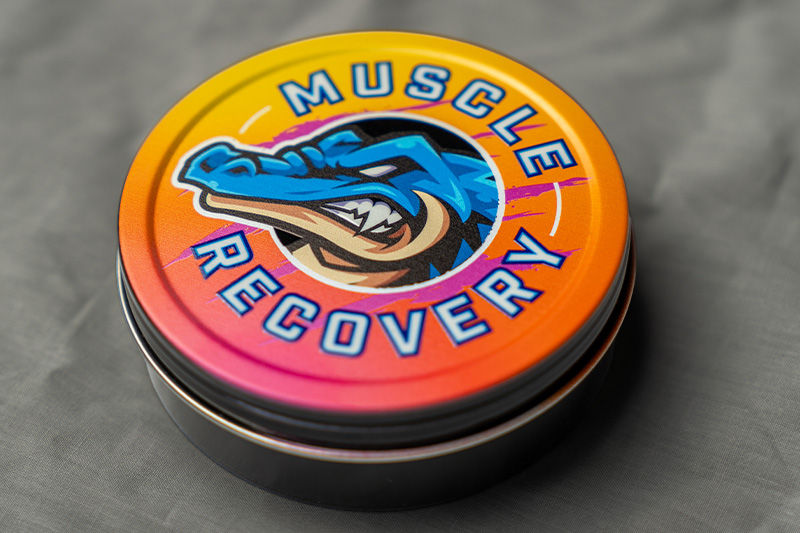
Philip Chu: In combination with Roland DG’s advanced UV devices and software, users can produce more products faster, with improved accuracy, on a wider range of substrates. The prints on the products are fully dried and ready to go right from the printer. You get more products to market, faster, with accurate, durable prints.
In addition, because of the accuracy and durability of the prints, you can afford to produce smaller run sizes.
Which Roland DG printers can use EUV-H inks?
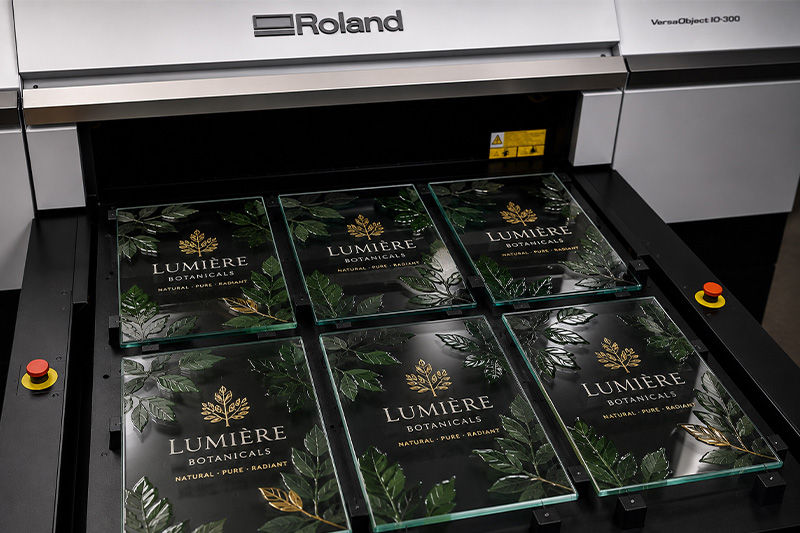
Philip Chu: EUV-H inks are currently available for the VersaObject RC-300 Series UV cylindrical printers, the IO-300 UV flatbed printer, and MO Series UV flatbed printers. I anticipate that it will be available for other UV printers in the Roland DG lineup in the coming months.
Combined with Roland DG VersaObject IO-300, MO Series or RC Series printers, these inks offer users increased production efficiency and profits for printing on rigid substrates.
Have questions? Talk with a Roland DG expert.
Talk to an Expert